
dsh-im
xmanrui
Connect IM bots to DeepSeek Harness via QR codes or bot credentials (9 channels: Feishu, WeChat, DingTalk, WeCom, QQ, Slack, Telegram, Discord, and WhatsApp).
Installed cleanly when we ran it
npm packageJavaScript4d ago
omdsh-dev/dsh-open-in-vscode
Open DSH workspace directories in VS Code directly from the web GUI.
Install
via npm
Resolves a published tarball rather than cloning the repository, and installs without any extra setup. Swap `web` for your profile name if you run another one.
via GitHub · npm package
Installing from GitHub runs the project's build script, which pnpm blocks until you allowlist it — run the command once and pnpm prints the exact key to add under `allowBuilds` in ~/.dsh/profiles/web/pnpm-workspace.yaml.
Due diligence
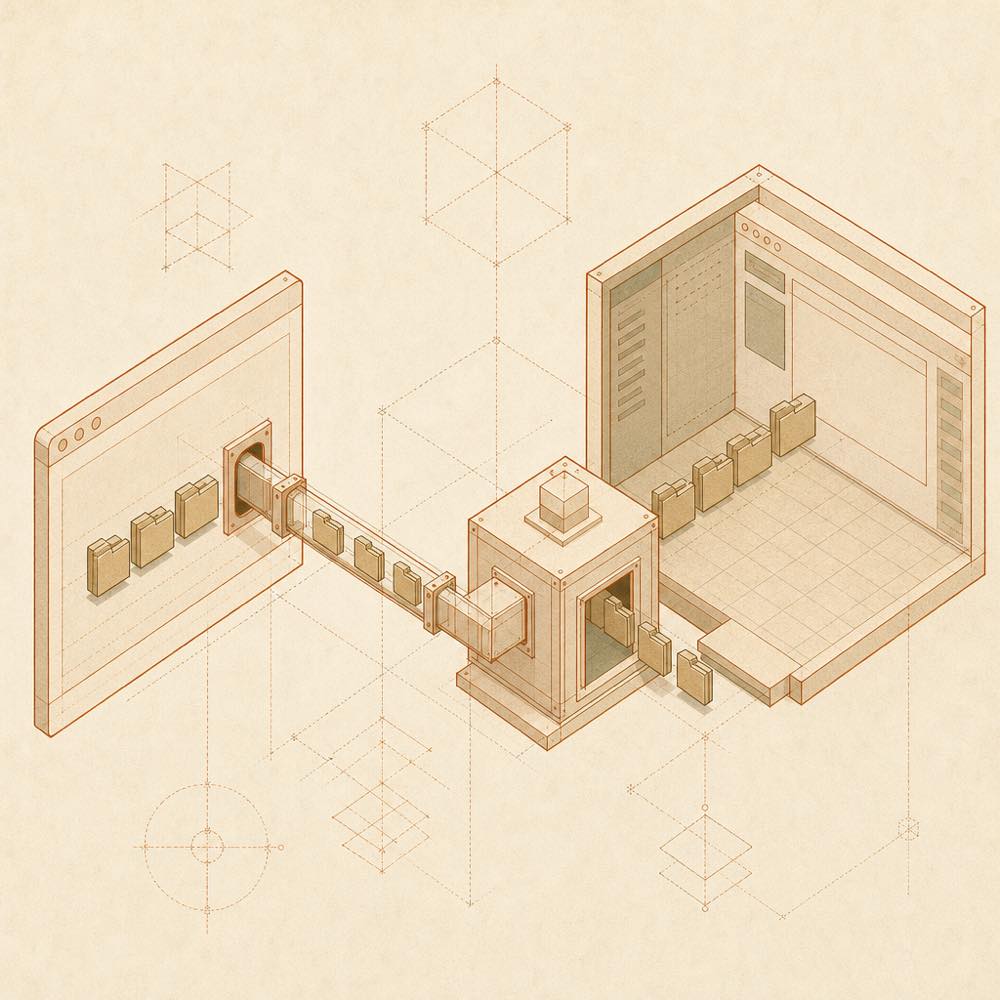
dsh-open-in-vscode is a DeepSeek Harness plugin that adds an “Open in VSCode” action to each real workspace row in the web GUI. DeepSeek Harness exposes the sidebar.workspaces.row-menu slot when available; on 0.1.0-rc.6, the plugin uses a scoped compatibility adapter. Selecting the action closes the overflow menu and calls the strict Typert Remote method openInVscode/open with the workspace directory.
The host then starts the configured editor CLI in a detached process, using code <path> by default. The command setting selects the executable and args supplies additional arguments before the directory path. The client follows the interface locale, displaying 在 VSCode 中打开 in Chinese and Open in VSCode in English. The plugin does not read or write files, add tools, expose skills, or provide a model-facing surface.
This is intended for developers who run DeepSeek Harness with VS Code, or another editor that can open a directory from a command line. It is a poor fit where no suitable editor executable is available on the host, or where opening workspaces from the web interface is not needed. The terminal surface is limited but material: the host reaches the configured executable and starts it with the selected workspace path. On macOS, the VS Code shell command must be installed unless command points to another editor; relative executable paths are refused.
DeepSeek Harness loads the plugin in the web profile. The client contributes a menu row through sidebar.workspaces.row-menu; on DeepSeek Harness 0.1.0-rc.6, it uses a compatibility adapter for the same workspace rows. A click calls the Typert Remote operation openInVscode/open and passes the workspace directory. The host starts the editor in a detached process, so the editor can outlive the server. The client bundle is served at /plugins/dsh-open-in-vscode/client.js.
The plugin validates these Config fields from cordis.yml:
| Key | Default | Description |
|---|---|---|
command |
code |
Executable used to open a directory. The default probes standard per-user and system VS Code installations on Windows; other commands resolve through PATH. |
args |
[] |
Extra arguments passed before the workspace directory. |
command must be an executable path or command name. Relative paths are refused. If the executable is missing, the plugin reports an error with a fix hint.
DeepSeek Harness requires version 0.1.0-rc.6 or newer. The host invokes the configured command in the form code <path> by default, with args inserted before <path>. VS Code must be installed, or another editor CLI capable of opening a directory must be available. On macOS, install the VS Code shell command or set command to a suitable editor. Windows supports the default command’s standard VS Code installation discovery.
The action requires a user click in a workspace row and does not request approval separately. dsh-open-in-vscode has no tools, skills, settings namespace, or model-facing surface. It only passes the selected workspace directory to the editor process; it never reads or writes files itself.
Written from the project's own documentation and kept in sync with it. Where the two disagree, the source is authoritative — read the README on GitHub
Same category
xmanrui
Connect IM bots to DeepSeek Harness via QR codes or bot credentials (9 channels: Feishu, WeChat, DingTalk, WeCom, QQ, Slack, Telegram, Discord, and WhatsApp).
Installed cleanly when we ran it
shaobeichen
Remote phone access to the DSH Web UI: scan a QR code for LAN or public (cloudflared tunnel) access with real-time sync, a mobile-adaptive layout, and a settings tab.
Installed cleanly when we ran it
alvinunreal
Bridges DeepSeek Harness lifecycle status, errors, and approval requests to a locally running OpenPets desktop companion.
No one-line install — this plugin lives inside a larger repository and publishes no npm package.
inclusionAI
Connects DeepSeek Harness to Avernet's Bot Collaboration Network over WebSocket V2, with automatic onboarding, isolated agent sessions, tool-call events, and multi-bot routing tools.
No one-line install — this plugin lives inside a larger repository and publishes no npm package.
omdsh-dev
Desktop notifications for turn completions, with per-outcome controls and keyword rules.
Installed cleanly when we ran it
whyihaveyou
IM webhook and local notifications on turn completion, errors, or approval (Feishu/WeCom/DingTalk/Slack/Discord/custom).
No one-line install — this plugin lives inside a larger repository and publishes no npm package.