Configuring dsh-meow-memory
DeepSeek Harness exposes the plugin settings in its settings page and accepts them through a profile patch or cordis.patch.yml. The main options are:
| Key |
Default or documented value |
enabled |
true |
projectDir |
.dsh-meow, relative to the workspace |
promptLang |
zh |
hitTopK |
2 |
dream.enabled |
true |
dream.idleMinutes |
180 |
Additional documented fields include titleMax, autoMigrate, homeDir, disabledWorkspaces, backup and delegate. promptLang selects the prompt and tool-description language from zh, en or pt-br; an unrecognised directory name silently falls back to the Chinese language pack. The interface language follows DeepSeek Harness settings independently.
dsh-meow-memory commands and tools
DeepSeek Harness loads these tools with the plugin:
memory_remember writes content with required project, keywords and importance values, merging duplicates.memory_search searches by keyword with level, project, status and day filters.memory_project returns a complete project injection section and requires project.memory_find_similar, memory_read and memory_update support duplicate detection, metadata reading and correction.memory_dream consolidates the current window; memory_home views or switches the global data directory.
Typing /dream triggers consolidation immediately and bypasses peak-hour suppression. /meow-trust trusts a workspace whose .dsh-meow directory came from an external repository.
How dsh-meow-memory behaves
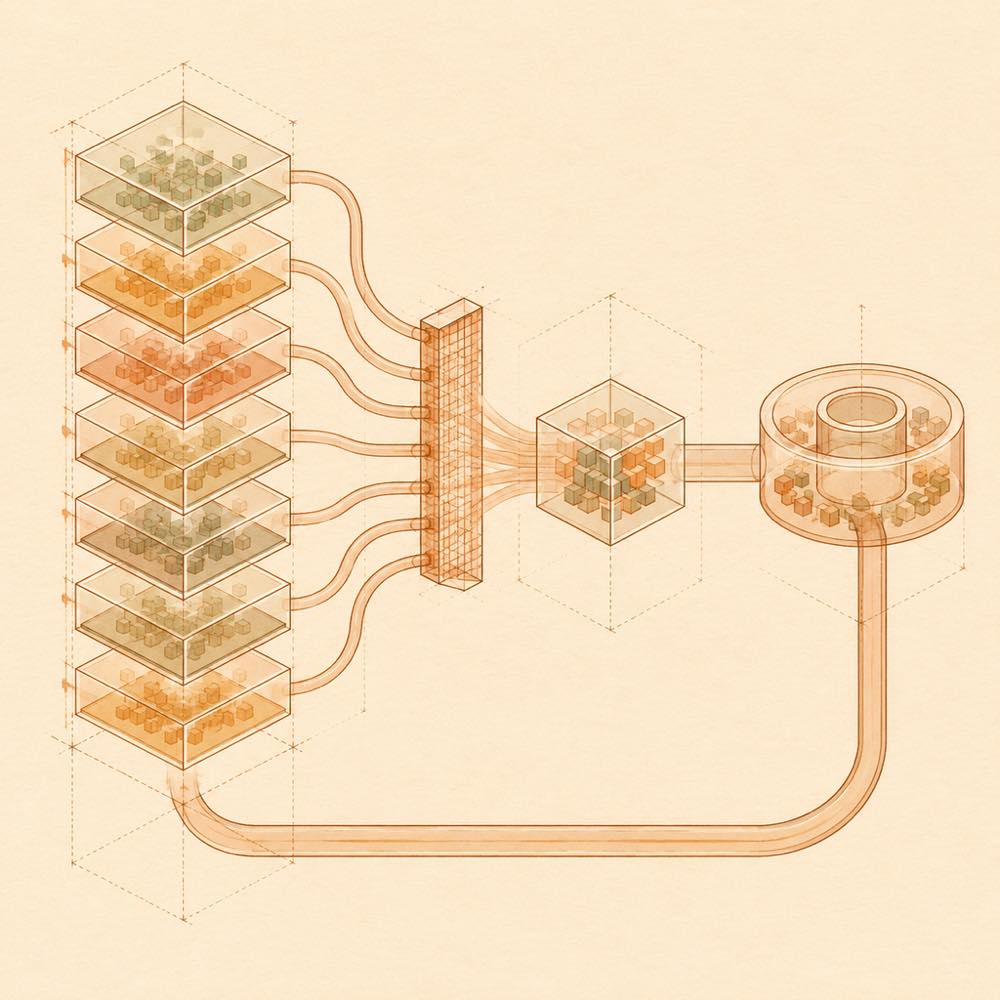
The first injection contains long-term soul, user and design-principle records. Keyword hits begin with the second user message and are limited by hitTopK. After compression, the plugin reinjects the long-term snapshot, consulted project data and memories written in the session. Idle dream processing runs in three rounds and is suppressed by default during Beijing time 09:00–12:00 and 14:00–18:00.
Requirements and limits
DeepSeek Harness compatibility is documented for 0.1.5, including 0.1.5-rc.1. The plugin uses node:sqlite and an esbuild bundle, with no native modules; schemastery and dsh-llm are resolved from the host. Memory is workspace-scoped by default, and externally created .dsh-meow stores are paused until trusted.
Written from the project's own documentation and kept in sync with it. Where the two disagree, the source is authoritative — read the README on GitHub